
Book notes
 On Writing
Part autobiography, part instruction, part taste and opinion on how to write fiction well from one of the greatest writers of the 20th century.
 Save the Cat! Writes a Novel
Brilliant explanation of story and plot for writing fiction. Risks interpretation as advocating formulaic writing, but many classics fall into her interpretation of good story structure.
 The First 90 Days
Tailored more to a VP/C-level global blue chip audience, but a useful read in advance of any promotion or new company transition.
 The Long and the Short of It
Comprehensive econometrics-based review of effectiveness in advertising, where they recommend a 60/40% balance between long and short-term marketing. Mostly focused on B2C advertising.
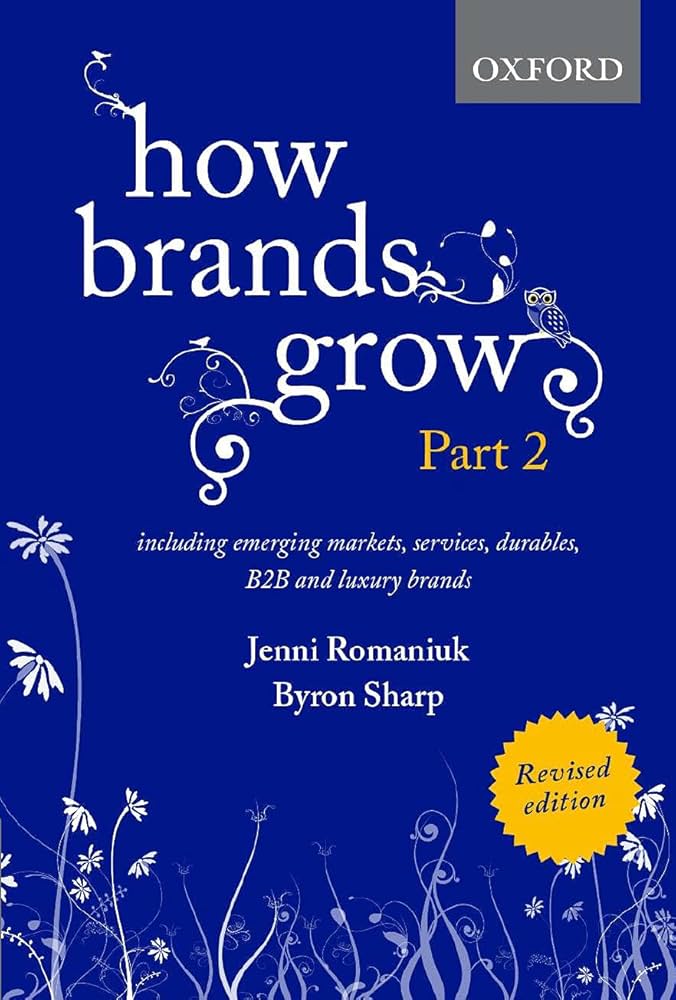 How Brands Grow (Part 2)
Excellent follow-up to the first book, answering many of the lingering questions I had. Another essential read for marketers.
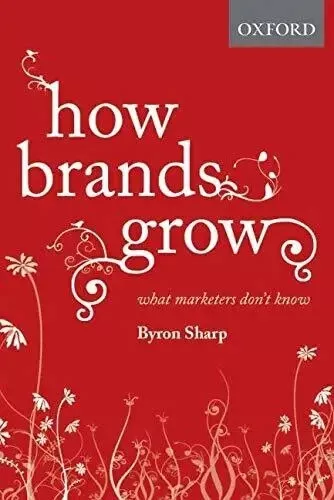 How Brands Grow
Actual evidence and research take the place of opinion and faith-based belief in marketing. Pretty shocking it took so long for us to get here. Extraordinarily valuable.
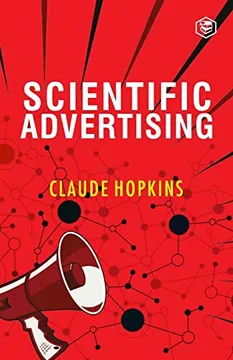 Scientific Advertising
A historical curiosity and not scientific in any way. Has its charms, but most can safely avoid.
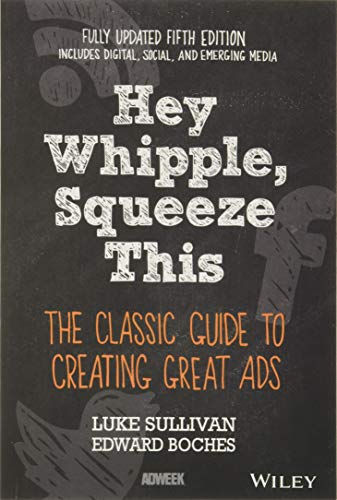 Hey Whipple, Squeeze This
The world is full of shitty ads, but Sullivan and Boches tell you how to make a good one. (And they do it with a sense of humour, too.)
 The Innovator's Dilemma
Many well-managed companies fail because they don’t adapt to disruptive change. This book explains why, and what to do about it.
 Crossing the Chasm
A strategy and marketing classic that remains as relevant as ever. Dissects the difficulty of moving from early interest to wide adoption for disruptive tech products.
 Sales Pitch
Dunford's done it again with a clear and compelling approach to selling. If you're even remotely involved in software startups, it's worth reading.
 The Shallows
Detailed and thoroughly researched, but perhaps not forceful enough. An interesting exploration of how the internet is, for want of a more nuanced summary, bad for our brains.
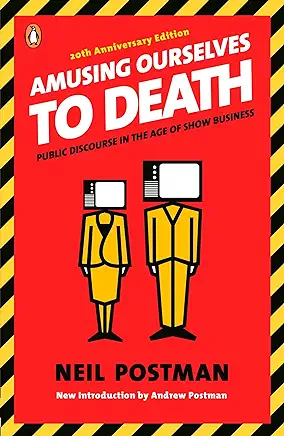 Amusing Ourselves to Death
This book should be read by anyone who has used, is using, or intends to use the internet. Remarkably prescient and an indispensable volume for understanding our current media landscape.
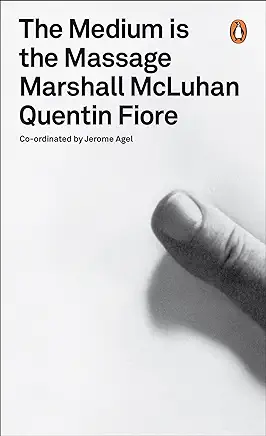 The Medium is the Massage
This cult classic from the sixties was talking primarily about television. But it feels eerily accurate even today, in the 21st century, with the rise of social media and life online.
 On Bullshit
A neat, concentrated exploration of what bullshit really is and a foray into why there's so much of it. Can be read in a single sitting. Beautiful stuff.
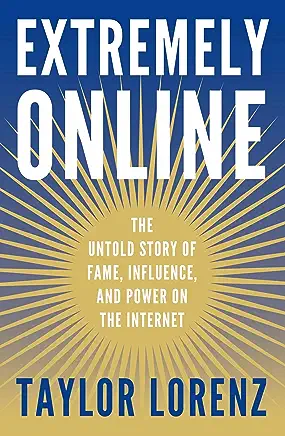 Extremely Online
A remarkable history of the social web over the last 20 years, from early blogging to TikTok during covid. Brings to light the formative and often unrewarded roles of women and people of colour in establishing and building much of the things we now take for granted on the internet.
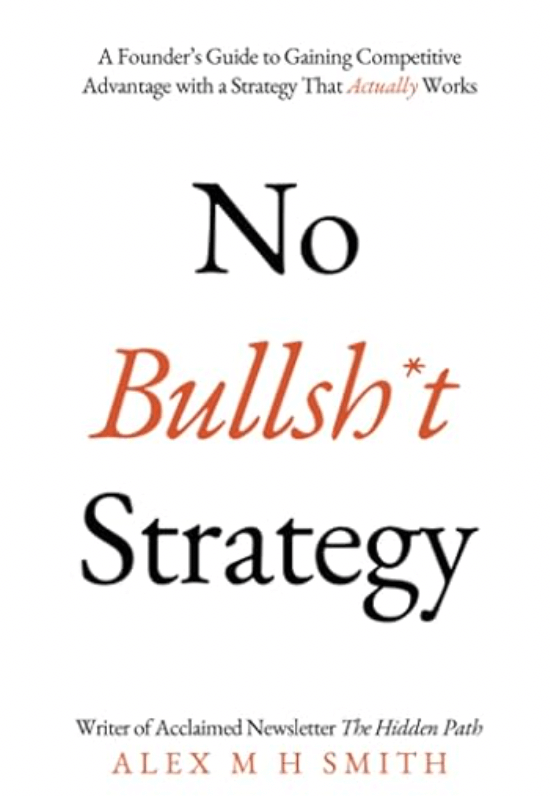 No Bullshit Strategy
Clear on the fundamentals and with a few good insights early on, but thin on details and execution. Written from the perspective of a marketer, and one specifically interested in consumer goods. For a more fundamental grounding, read Rumelt's "Good Strategy/Bad Strategy."
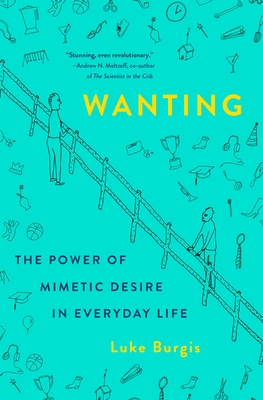 Wanting
A walkthrough of the (frankly compelling) philosophy of René Girard, specifically that of mimetic desire. A truly interesting way of looking at the world, and powerful at explaining a number of modern phenomena.
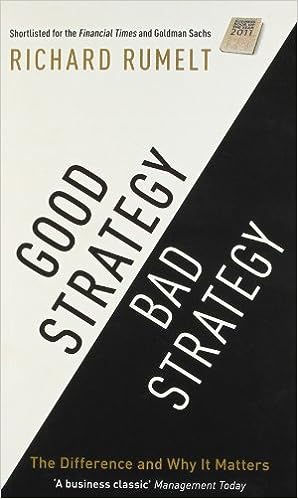 Good Strategy/Bad Strategy
"Strategy" is a term that anyone throws around these days. Not Rumelt: he knows exactly what it is, what it means, and has endless examples of his own to back it up. The wisdom of decades, packed into an endlessly fascinating book. Enormously valuable.
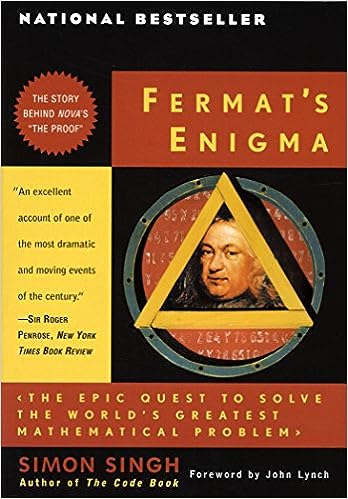 Fermat's Enigma
The fascinating story of how one of mathematics' hardest problems was solved. Takes a near-total survey of mathematical history, yet doesn't demand much knowledge of maths. I never thought a book about maths would be "hard to put down," but here we are.
 The Brand Gap
My favourite kind of business book. Packed with real, hard-won knowledge and devoid of the usual business book guff to pad it out. If you want to know what "brand" really is, I'm not sure there's a better place to start.
 Influential Internal Communication
Underwhelming and lacking pragmatism, but not bad as an introduction to the importance of internal communication.
 Smart Brevity
I've read smarter and briefer. It's not entirely terrible, but it'd probably be better to read Strunk instead.
 Play Bigger
At times too long-winded and full of waffle, but interesting enough. I'm still sceptical that anyone can actually create a category, but if you want to give it a shot this is the book you'd want to read.
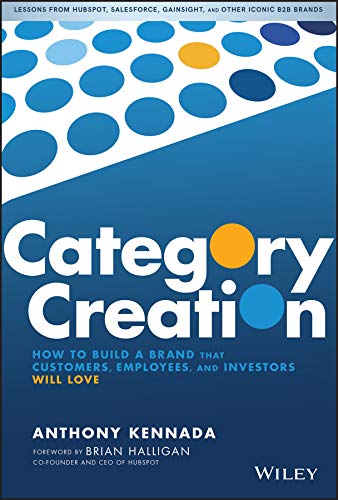 Category Creation
A marketing-first and very practical guide to category creation activities. Not so suited to more broad strategic discussions around category creation, but that's what the book "Play Bigger" is for. Peters out a bit towards the end, but ultimately enormously useful.
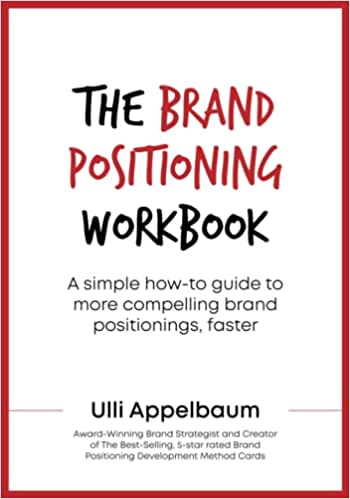 The Brand Positioning Workbook
A straightforward enough guide to positioning consumer brands (not totally suited for B2B). Stops short of defining deliverables for this process, which seems like an important step to miss. Still, it's useful all the same.
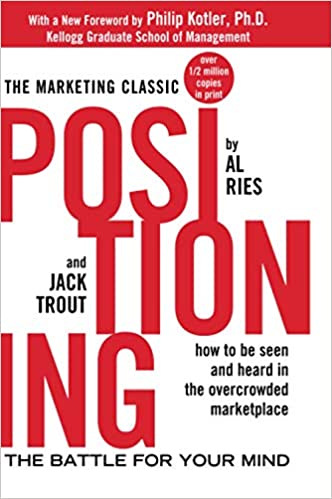 Positioning
Not as strong as their later book (22 Immutable Laws) and dated in its examples, but still a fascinating read and worth reading if you work in marketing in any way. A book mostly of examples, it only really talks about HOW to position towards the end. Even so, very valuable.
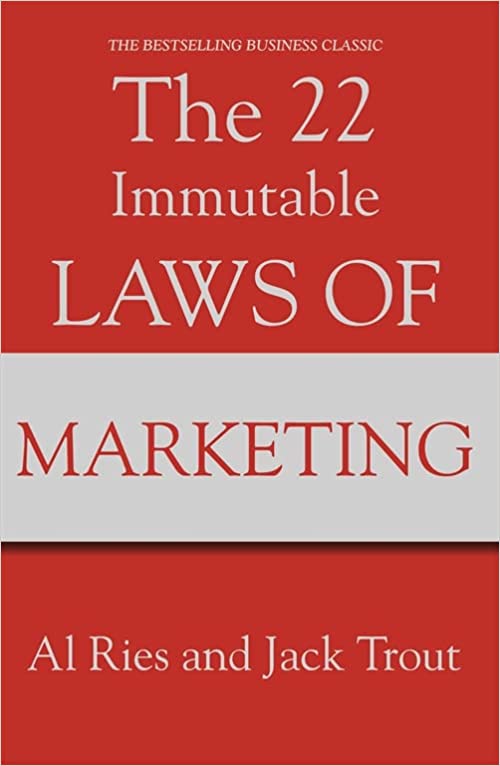 The 22 Immutable Laws of Marketing
The best marketing book I've read, or am ever likely to read. Useful for understanding marketing from a strategic point of view, and worthy of a re-read. Delightfully brief: makes 22 different arguments with sparing words, instead of making one point with endless fluff.
 The Body Keeps the Score
Pretty extraordinary exploration of modern psychology through the lens of trauma and the impact it has on our lives, and the lives of others. Represents the life's work of an expert, and beautifully written.
 Junior
Decent level of advice for someone working advertising or an advertising-adjacent role. Some interesting tips on creative writing techniques, but nothing too in-depth.
 Powerful B2B Content
Possibly the highest-value-per-page non-fiction specialist book I've ever had the pleasure of reading. Only worth reading if this is your bag, of course, but if it is then you're in for a treat. Endlessly useful and chock full of frameworks, suggested processes, and ideas.
 What Money Can't Buy: The Moral Limits of Markets
A thorough dive into the thorny topic of market values at work in our lives today. Poses a lot of interesting questions and follows them up with convincing answers. Sandel has quickly become one of my favourite writers at work today.
 Thinking In Systems
Life isn't so simple, most everything has nuance, and it takes more than you think to make changes or corrections.
 The Art and Craft of Feature Writing
Incredibly useful and actionable piece on writing feature-length articles, provided with accompanying articles (in full) that help you see what Blundell means in context. Cut from the cloth of newspaper journalism, so if you're writing anything else you'll want to think carefully about how it might apply across different media.
 Crush It!
A thin volume of opinion & the epitome of 'Hustle Porn'. Also reasonably outdated and likely ineffective tactics by now.
 Ponzinomics
A thorough history of the MLM phenomenon that pulls no punches about how universally immoral, fraudulent and cult-like they are. Suffers from repetition in parts, but worth it to gain a deep understanding of where these institutions came from in the first place.
 The PR Masterclass
Straightforward guide to traditional press and media PR, worth reading if you've a specific interest in learning that kind of thing. Biased towards a British print media perspective, but provides solid generic advice nonetheless.
 Building a Storybrand
A helpful and straightforward system for building a compelling 'story' as the basis for framing your brand. Helpful with regard to website content especially.
 Promise Land
A critical, insightful and, at many time, very funny look into the less-than-innocuous world of self help. Absolutely worth reading if you've ever wondered why you've got so many self-help books on your shelves.
 Obviously Awesome
Coherent and straightforward guide to product positioning. Very little filler, gets straight to the point and uses useful stories to flesh out the different ideas within. Works particularly well because it's first principles thinking rather than just a 'system' or series of steps.
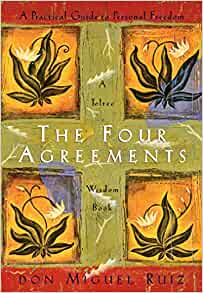 The Four Agreements
I wasn't entirely sure what to make of this. The agreements themselves are sound and the core of the philosophy is a useful model for how to approach life, but it's slightly spoiled by unusual generalisations and heapings of new-age drivel. It's good if you don't mind divining the wisdom from the waffle, otherwise it's probably worth avoiding.
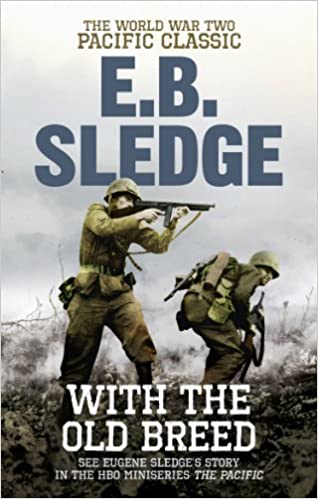 With the Old Breed
Gruelling to read because of the utter horror of the Pacific theatre, compelling because of the fine prose and honest recounting of events by Sledge. One of the two memoirs that the HBO miniseries 'The Pacific' is based on. I haven't read anything quite like it before.
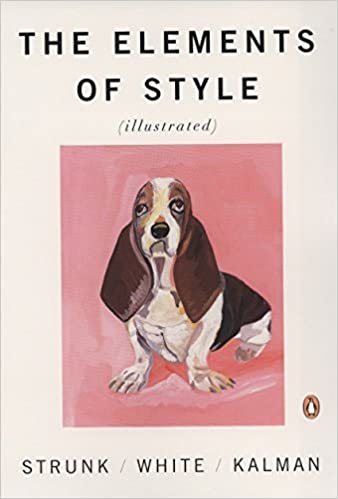 The Elements of Style (Illustrated)
Useful and straightforward rules, guidance and suggestions for how best to write. Some of it is simply opinion unique to the time and location in which it was written and revised, skewing towards North American conventions. Won't change your life and instantly make you a great writer, but it is useful.
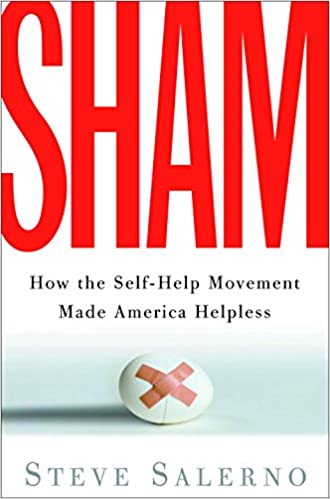 SHAM
SHAMUseful for its criticism of self-help more widely. Although he starts with an interesting assessment, he goes off the rails later on. The second part of the book feels like a lot of opinion, less interesting than some of the bigger questions he could have asked.
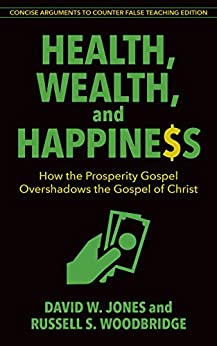 Health, Wealth, and Happiness
A history of the New Thought Movement and how it led to the start of the Prosperity Gospel. Beyond that, it was not so interesting.
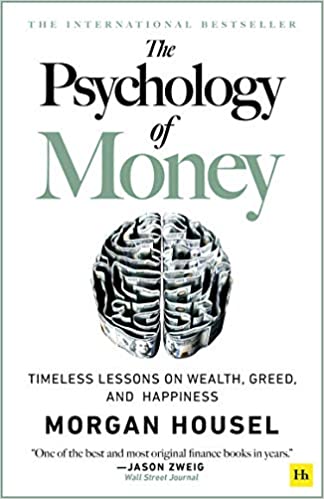 The Psychology of Money
This book belongs to the ranks of 'I wish I'd read this 10/15/20 years ago'. For good reason, too: rather than just taking another bland look at money tactics, Housel uncovers the unusual human psychology that drives all our money-related behaviours. Refreshing.
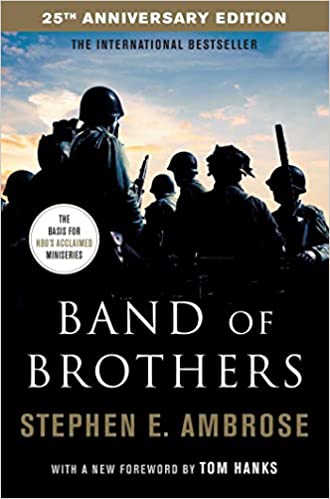 Band of Brothers
The story of Easy Company, 506th Parachute Infantry Regiment, 101st Airborne Division, whose story through WW2 is incredibly compelling.
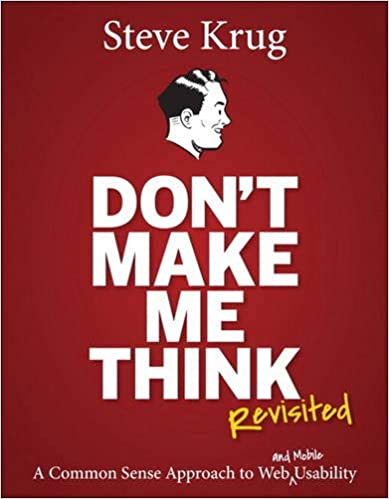 Don't Make Me Think
A useful, practical and well-written introduction to web usability and testing in particular. While some elements feel a little dated, the core concepts remain just as valid today.
 The Cathedral and the Bazaar
A collection of essays about the history of computing, what hacking is, and why open source software development is as revelatory as it is. Interesting insight into computing that the layman seldom sees, but often filled with dense jargon and not that well-written.
 Everybody Writes
An excellent introductory book but, if you already know your way around the world of publishing content—and especially if you have read a few other books on the topic—this will perhaps be too light. Covers an enormous amount of ground without going into too much depth.
 What Is Life?
A wonderful introduction to biology written by one of the most qualified biologists around today. Brief, beautiful and optimistic.
 Never Split the Difference
Useful and detailed insight into negotiation techniques that work in the real world instead of inaccurate, academic methods. Also pretty thrilling because the chapters open and are riddled with compelling descriptions of real-world hostage/kidnap negotiations that Voss was involved with.
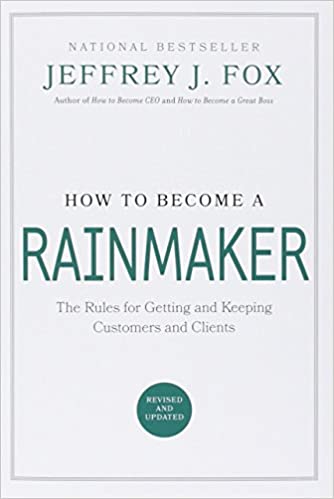 How to Become a Rainmaker
An unstructured collection of various 'real world' sales advice. Quite old fashioned, very cheesy, reads like something out of 'Glengarry Glen Ross'. Nevertheless... a good reminder of what sales is all about, and what the role and objectives of a salesperson—or anyone in the company who wants to increase revenue—should be.
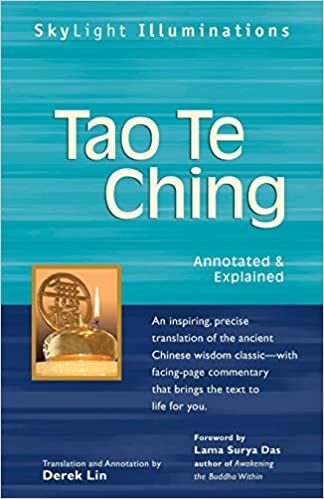 Tao Te Ching
I might have read this book, but I haven't really read the Tao. You can't; the Tao that is called Tao is not the Tao.
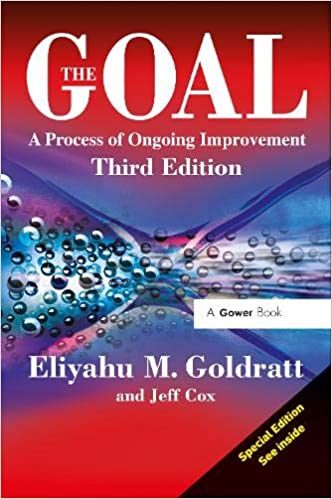 The Goal
It's written like a thriller or a drama... but it's about manufacturing processes. Sounds bananas, but it's surprisingly effective at explaining the principles of Lean manufacturing using the Socratic method. This is worth a read by anyone who works with, in, or has a passing interest in processes and systems.
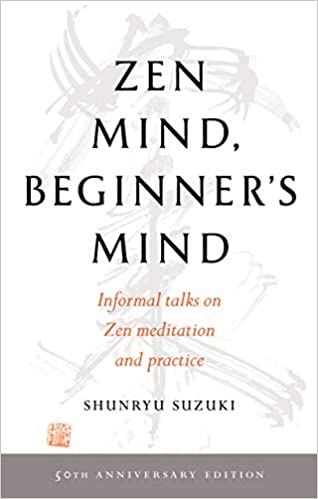 Zen Mind, Beginner's Mind
All the time I spent reading, taking notes on and trying to understand this book would probably have been better spent in simply sitting in zazen. But here we are nonetheless.
 Content Strategy for the Web
A straightforward, easy to digest guide to building content strategies. Pitched more at the person in a business (and who is more likely to be writing) than it is the broader spectrum of 'content creators' that exist today.
 Content Design
Short, sweet and endlessly valuable. Written by the woman who completely transformed gov.uk from a messy tangle of websites into an incredibly useful and usable resource that millions rely on to make their lives easier.
 The Right Stuff
The story of the seven astronauts of the Mercury program, the first Americans to go into space, then orbit the earth. It's very hard to describe how good this book is without making you sit down and read the whole thing.
 Ikigai
An underwhelming survey. The concept of Ikigai itself can actually just be found in a succinct diagram on the back of the hardback, mostly voiding the point of the inside of the book anyway.
 The Tyranny of Merit
Reading this book made me completely reconsider some of the biggest assumptions that I have carried with me throughout my entire adult life, while simultaneously reframing how I think about the events of the last decade—Trump and Brexit in particular.
 The Art of Startup Fundraising
For a layman like me, this was a helpful ready reckoner covering the ins and outs of how startups work from a financial point of view.
 Obliquity
Originally an article in the FT, it probably had more value as a single short essay than an entire book; it felt like I was reading the same point over and over again. I quit this book with about 25% left to go. Worth a good read of the first few chapters, but only a skim from there.
 Finite and Infinite Games
A philosophical out-of-body experience that will subvert the way you understand the world. A short book, but not one that you will want to try and read quickly - it is remarkably dense and highly abstract, so go slow. Brilliant at the beginning and in the middle, but tapers off into obscurity and convolution towards the end.
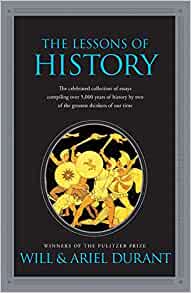 The Lessons of History
Extraordinarily enlightening for such a compact volume. A broad survey of history through the lenses of government, war, religion, economics and more. Astonishing for its breadth and depth as it is its brevity.
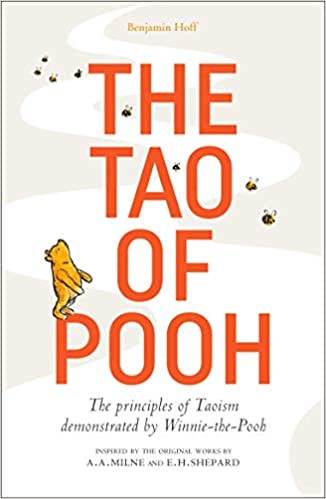 The Tao of Pooh
I had tentatively started to read the Tao Te Ching before realising that I needed something to warm me up beforehand. This book was that warm up, and more. It explains Taoism through the lens of Winnie the Pooh who is, according to Hoff, a Taoist. I think he's right. Just a wonderful read, I finished it in a single day.
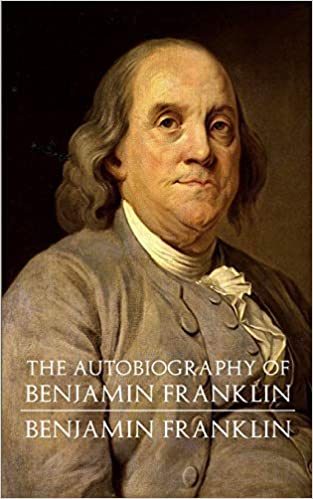 The Autobiography of Benjamin Franklin
A portrait of a fascinating life well-lived, and it's comforting to know that 'life hacks' are not just the preserve of the internet age.
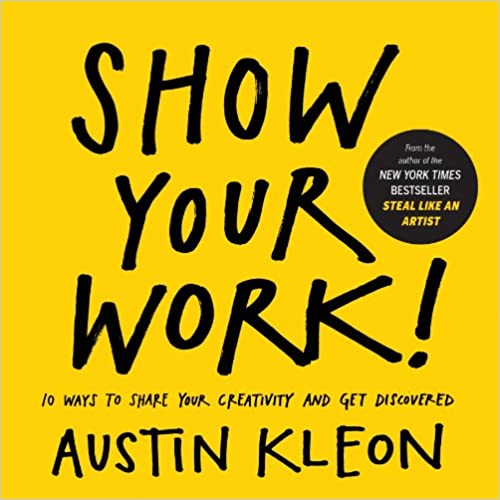 Show Your Work!
Worth reading by anyone who has any interest in doing anything creative, especially if it's on the internet. An instruction manual of sorts, but presented in an approachable and relatable way.
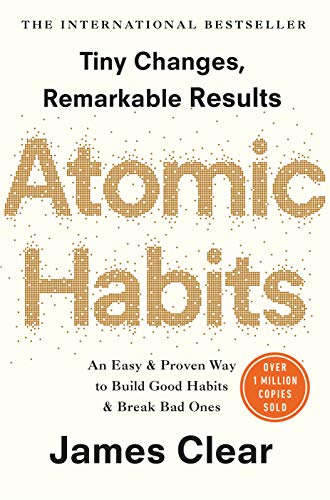 Atomic Habits
Boring and repetitive, it feels like it's incredibly practical and useful... but then it isn't. Trite productivity advice trotted out as wisdom, but feels largely derivative.
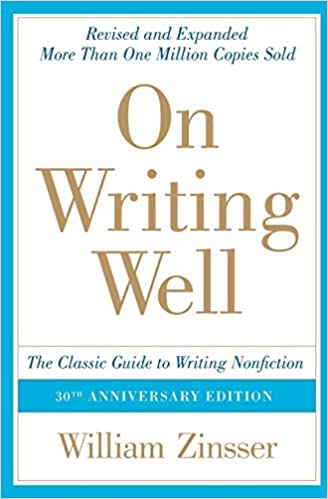 On Writing Well
Zinsser lays down the law. Although I'm sure there is some debate on the finer points in more academically-minded circles, this was a reassuring starting point for understanding the fundamental elements of writing quality non-fiction prose.
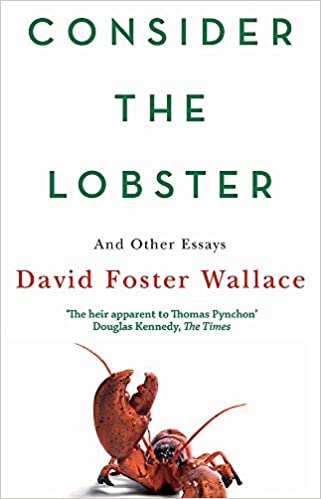 Consider the Lobster
A collection of articles, essays, speeches, book reviews and other miscellany by the singular David Foster Wallace. A book suffused with deep sadness and humour at the same time.
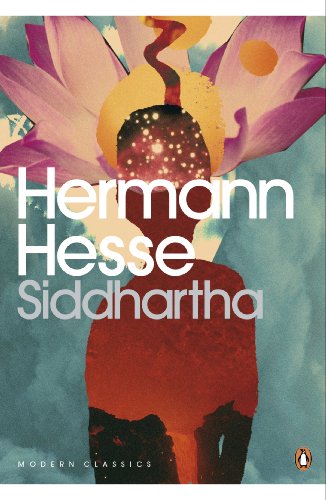 Siddhartha
An exploration of the meaning of life as told through the story of a boy, who becomes a man, who grows old and, finally, reaches the wisdom of enlightenment in his old age. Told as a series of dialogues between Siddhartha and the people who pass through his life.
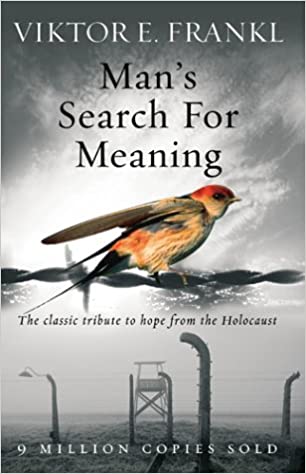 Man's Search For Meaning
Part autobiography, part philosophy, part psychology, part prayer - this book is an incredibly human exploration of an inhumane and brutal time about how, even within the cruellest of suffering, can meaning and salvation be found.
 The Effective Executive
Although dated, it contains some of the best writing on personal productivity, time management and decision making I've yet come across. Can be dry in places, though.
 This is Water
Talks largely about the ethics of how we decide to think and what must mean for us as we go through our lives. Originally written as a commencement address at Kenyon College.
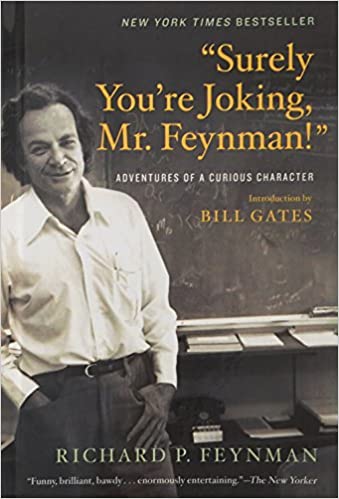 Surely You're Joking, Mr. Feynman!
Very dated, clearly a misogynist and a huge pain in the ass... and yet a brilliant collection of anecdotes that show you the mind of an extraordinary man, unafraid of what people thought of him and utterly obsessed with scientific truth and curious to the end.
 A Technique For Producing Ideas
There is a process for coming up with ideas that any of us are able to replicate. It takes work but can be depended upon if the process itself is trusted. A brief, 80 year old volume that enjoys a special place in the history of writing about ideas.
 The War of Art
A resounding rallying cry of a book. Gives a name to the enemy of our creative work, 'The Resistance'. Defines what it is, how we must defeat and how to move past it. Pick it up in the morning and you'll be done by the afternoon.
 Born Standing Up
An incredibly interesting insight into Martin's early career, one I was not familiar with until reading this book (I had only known of him from a handful of movies). Interesting insights into the creative process, originality and consistently working at your craft.
 Anything You Want
A short, powerful read from one of the world wide web's original entrepreneurs about, quite simply, how to do business. Provides an enormous amount of insight and common sense in a very short volume.
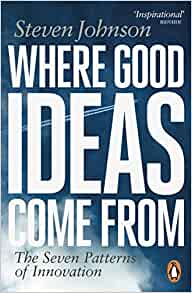 Where Good Ideas Come From
Eye opening exploration of ideas and (believe it or not) how they are formed and come to be. Fascinating perspective on how innovation truly works and it busts a lot of myths and misconceptions along the way. Strong recommend.
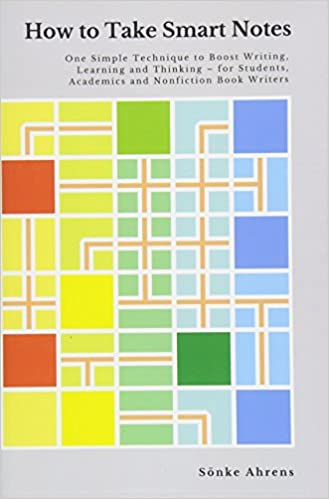 How to Take Smart Notes
This is the number one book I wished I had read ten years ago, ideally before I started university. Describes a system for the managing of ones own thoughts and ideas, and does it in plain English. Turned me onto the importance of understanding metalearning/metacognition.
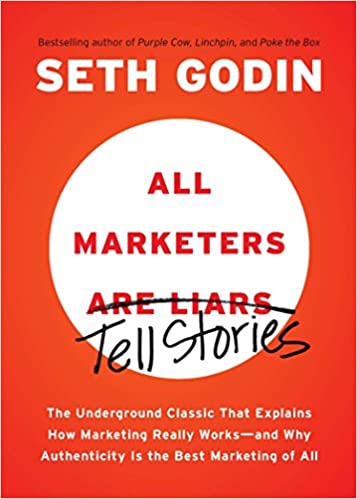 All Marketers Are Liars
A really interesting book from one of my favourite authors and marketers. Successfully explains the realities of brand-driven marketing in the 21st century. Repetitive at times, could be shorter but luckily it's not too long either way.
No notes match that filter.